


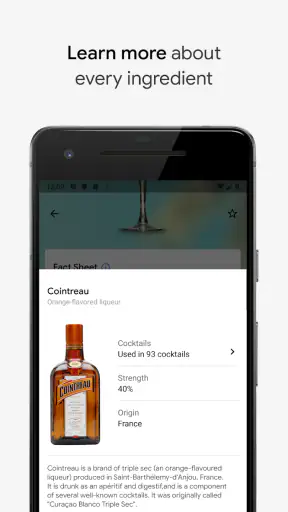
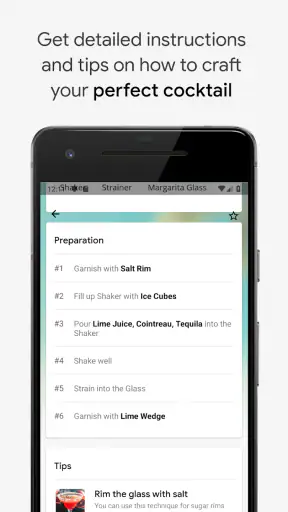
I approached Cocktail Flow - Drink Recipes as the kind of app I would keep nearby when I wanted to make a drink without turning the kitchen into a research project. My overall impression is favorable: it is a focused Food & Drink app that makes cocktail discovery feel more visual and approachable than searching through scattered web pages. It does not replace a well-stocked bar, personal taste, or basic cocktail knowledge, but it can make the step between “I want something different” and “I know what to mix” much easier.
The app is developed by Cocktail Flow Ltd. and is free to download, with optional in-app purchases ranging from $0.99 to $19.99 per item. It has reached over a million installs and holds a 4.0 average from around 19,000 ratings, which suggests a broad audience but also leaves room for individual preferences to affect the experience. I found it most convincing as a practical recipe companion rather than as a complete course in mixology.
How Cocktail Flow works in real use
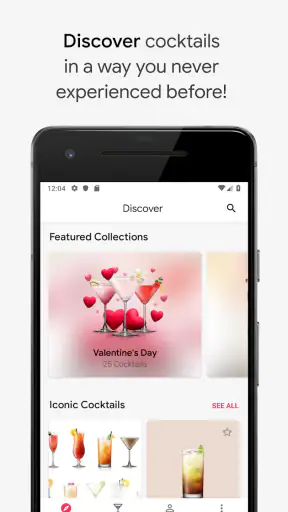
The first thing I noticed is that the app is designed around browsing rather than making me arrive with a specific drink already in mind. That matters because many people open a cocktail app with only a vague goal: something refreshing, something strong, a drink for guests, or a way to use a bottle that has been sitting untouched. A visual recipe approach is more useful in those moments than a long alphabetical list.
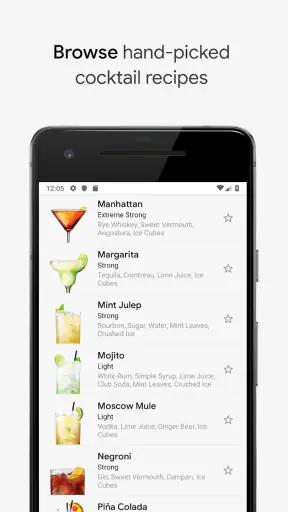
Instead of treating every recipe like a block of text, Cocktail Flow presents drinks in a way that encourages comparison. I can move from one idea to another, look at the ingredients, and decide whether the recipe fits what I have at home. This makes the app feel less like a static reference book and more like a browsing tool for choosing an evening drink.
That discovery-first design is its clearest strength. A traditional search engine can return technically correct recipes, but the results are often surrounded by long introductions, advertisements, substitutions, and unrelated pages. A printed cocktail book offers a calmer reading experience, yet it cannot react as easily when I am standing in front of my cupboard wondering what to do with a particular spirit. Cocktail Flow sits between those two options: faster than a book for exploration and less distracting than a general web search.
I also appreciate that the app is not limited to people who already know cocktail names. Someone who recognizes ingredients more easily than drink terminology can use the visual presentation to find a starting point. That lowers the barrier for a beginner who may not know the difference between a sour, a highball, and a stirred spirit-forward drink.
A useful companion when the cupboard is incomplete
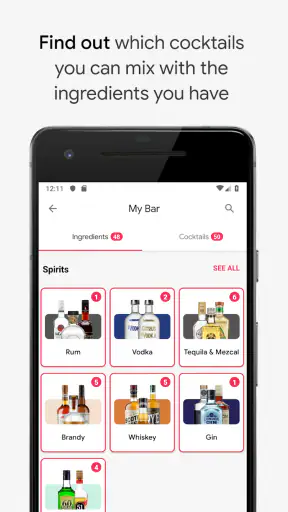
One of the most realistic situations for this app is a casual evening at home. Imagine having gin, a bottle of citrus juice, a sweet mixer, and a few basic extras, but no desire to visit a store. Rather than searching for a recipe and discovering halfway through that it needs an unusual liqueur, I can browse and quickly judge whether a drink is realistic with the ingredients available.
That small change in workflow is more important than it sounds. Recipe apps often look helpful until the user encounters a list of ingredients that is expensive, difficult to find, or sold only in large bottles. With Cocktail Flow, I would use each recipe as a decision point: check the ingredient list first, decide whether the missing item is essential, and only then commit to making it. This helps reduce wasted purchases and prevents the disappointing experience of preparing everything except one key component.
For hosting, the app is also useful during the planning stage. I can browse several styles before guests arrive, choose a manageable direction, and make sure the required ingredients overlap where possible. That is a better approach than selecting unrelated drinks that require a separate bottle for every person. The app does not magically solve shopping or serving logistics, but it gives me a more organized starting point.
Where the visual approach helps beginners
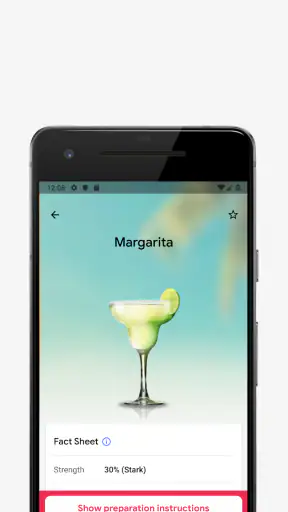
Newcomers often need confidence more than they need a huge encyclopedia. Cocktail Flow’s presentation makes a recipe feel less intimidating because the drink is shown as a finished idea rather than as an abstract list of ratios. I can look at the result, scan what goes into it, and decide whether it matches my taste before I spend time mixing.
I would especially recommend it to someone who wants to learn by making a few approachable drinks rather than studying cocktail history first. The app can encourage experimentation without requiring the user to memorize a large vocabulary. After making several recipes, a beginner may start noticing recurring patterns: citrus balances sweetness, sparkling mixers change the texture and pace of a drink, and different spirits create very different foundations even when the supporting ingredients are similar.
That said, I would not mistake attractive presentation for complete instruction. A beginner still needs to pay attention to measurements, preparation steps, glassware guidance, and the practical details of chilling or dilution. The app can point me toward a recipe, but good results still depend on reading carefully and working with sensible ingredients.
What I found strongest after repeated browsing
The best part of the experience is the reduction of decision fatigue. When I search broadly for cocktail ideas, I often end up opening several pages, comparing contradictory recipes, and losing track of what I originally wanted. Cocktail Flow gives that process a more contained shape. I can stay within one app, compare options in a consistent format, and make a decision sooner.
This is also where the app feels more valuable than its simple category might suggest. It is not merely a digital list of drinks. Its usefulness comes from helping me choose. That distinction matters for people who enjoy the social side of cocktails but do not want to spend half an hour researching before serving one.
Another practical advantage is that it can support gradual exploration. I do not need to attempt the most complicated recipe immediately. I can start with something built around familiar ingredients, learn what flavors I enjoy, and then move toward drinks that require more confidence. This makes the app suitable for a personal progression from casual mixing to more deliberate home bartending.
The limitations I would consider before installing
The app’s focused design can also feel restrictive. If I want deep explanations of technique, detailed background on classic recipes, or a serious education in balance and dilution, a dedicated cocktail book or specialist learning resource may be better. Cocktail Flow is strongest at helping me select and follow drink ideas; it is less convincing as a replacement for structured instruction.
There is also a practical difference between discovering a recipe and having the right equipment. A recipe may look simple, but a home user can still be missing a shaker, strainer, jigger, suitable glass, or a way to create proper chilling. I would have liked every recipe experience to remove as much uncertainty as possible for a beginner. In practice, users should treat the ingredient list as only one part of preparation and check whether the method suits the tools they own.
The free entry point is welcome, but the presence of optional purchases means the experience may not feel equally complete for everyone without spending more. The purchase range is broad enough that I would inspect what is included before paying rather than assuming every useful recipe or collection is available immediately. For someone who only wants a handful of uncomplicated drinks, the free version may be enough. A frequent home bartender may see more value in the paid additions, depending on how extensively they use the app.
Its age rating is Mature 17+, so it is clearly intended for adults rather than younger users. That is appropriate for an alcohol-focused recipe app, but parents should not treat it as a general family cooking application. The subject matter is specific, and the app makes more sense for adults who are legally able to purchase and consume alcohol where they live.
How it compares with books, web searches, and specialist tools
Compared with a printed cocktail book, Cocktail Flow is more convenient for spontaneous browsing. A book can offer richer context and a more permanent reference experience, but it is less flexible when I want to search from whatever ingredients happen to be available. The app wins for quick discovery; the book may win for thoughtful study and a slower, more tactile experience.
Compared with a general web search, the app feels more focused. Web searches are useful when I need a very specific substitution, a classic recipe from a particular tradition, or advice from multiple sources. However, they also make me filter through inconsistent formatting and content that is not directly relevant. Cocktail Flow is easier when my main question is simply, “What can I make tonight?”
Compared with a serious bar-management or inventory tool, it is less suited to detailed stock control and professional planning. I would not choose it as the central system for a busy bar, a formal beverage program, or someone who needs precise costing and operational records. Its audience is the home user who values inspiration and accessible recipes more than business-level organization.
That comparison clarifies the app’s identity. It is not trying to be every cocktail resource at once. Its strongest role is the middle ground between a recipe collection and a discovery guide, particularly for people who want visual inspiration without committing to a large amount of research.
Who should use it, and who should skip it
I think Cocktail Flow is a good fit for beginners, occasional hosts, and casual drinkers who want more variety at home. It is also useful for people who have a few bottles and mixers but lack a clear system for turning them into drinks. If you enjoy browsing attractive possibilities and learning through repetition, the app gives you a friendly place to start.
It may also suit someone shopping for a small home bar. Rather than buying random bottles based on impulse, I would browse first, identify several recipes that appeal to me, and look for ingredients that appear across those choices. That workflow can make a modest collection more versatile and reduce the chance of buying a bottle that only serves one obscure recipe.
I would skip it if I mainly want non-alcoholic drinks, advanced professional technique, or exhaustive historical context. I would also look elsewhere if I need a reliable inventory system that tracks every bottle and calculates what can be made from exact quantities. The app is not a universal kitchen assistant, and choosing it for those purposes could lead to frustration.
Users who dislike optional purchases should also decide how much they expect from the free experience before becoming invested. Since the app is free to start but includes paid items from $0.99 to $19.99, I would use the available content first and judge whether the additional material matches my habits. That is a more sensible approach than paying simply because the interface is appealing.
Small habits that make the app more useful
My first tip is to browse before shopping, not after. I would select several drinks I genuinely want to make, compare their overlapping ingredients, and build a short list around those overlaps. This turns the app into a planning tool instead of a source of one-off inspiration.
My second tip is to judge recipes by effort as well as flavor. A drink that looks appealing may involve equipment or preparation that does not fit a busy evening. I would separate quick options from recipes that deserve more time, especially when planning for guests. That simple distinction prevents an ambitious menu from becoming stressful.
My third tip is to use the app to learn preferences, not just to collect recipes. After making a few drinks, I would note whether I prefer bright citrus, sweeter profiles, bitter flavors, or spirit-forward combinations. That personal pattern makes future browsing faster and helps me recognize which recipes are worth trying before I read every detail.
Finally, I would keep a practical substitution mindset without changing the character of a recipe blindly. If an ingredient is missing, I would first ask what role it plays: sweetness, acidity, bitterness, aroma, or dilution. That approach is more reliable than replacing ingredients solely because their names sound similar. The app provides the starting point, but the best home results come from understanding what each component contributes.
My final assessment
Cocktail Flow - Drink Recipes succeeds because it makes choosing a cocktail feel easier and more inviting. I like it as a visual discovery companion, especially when I have a few ingredients available and want a clear direction instead of an open-ended web search. Its free price makes trying it straightforward, while the optional purchases mean regular users should decide carefully whether the expanded content is worth their budget.
The app is not a substitute for a cocktail textbook, a professional bar system, or hands-on practice. Some users may want more technical depth, more control over their inventory, or a wider range of non-alcoholic options. Those are meaningful limitations, not minor complaints. Still, they do not undermine the app’s central purpose.
With a 4.0 average and around 19,000 ratings, it has the kind of established audience I would expect from a long-running recipe app. It was released on November 11, 2011, and version 2.2.1 supports devices running Android 5.0 or later. In my view, those details matter less than the daily experience: the app is easy to approach, useful for planning, and most enjoyable when I treat it as a guide for exploration rather than an authority on every aspect of mixology.
My recommendation is simple: if you want an accessible way to discover drinks and organize casual home mixing, Cocktail Flow is worth trying. If you already know exactly what you like or need professional-level precision, choose a more specialized resource. For everyone in between, it offers a practical and enjoyable bridge from a cupboard full of bottles to a drink that feels deliberately chosen.


